Interlock driveways and patios in Halton Hills
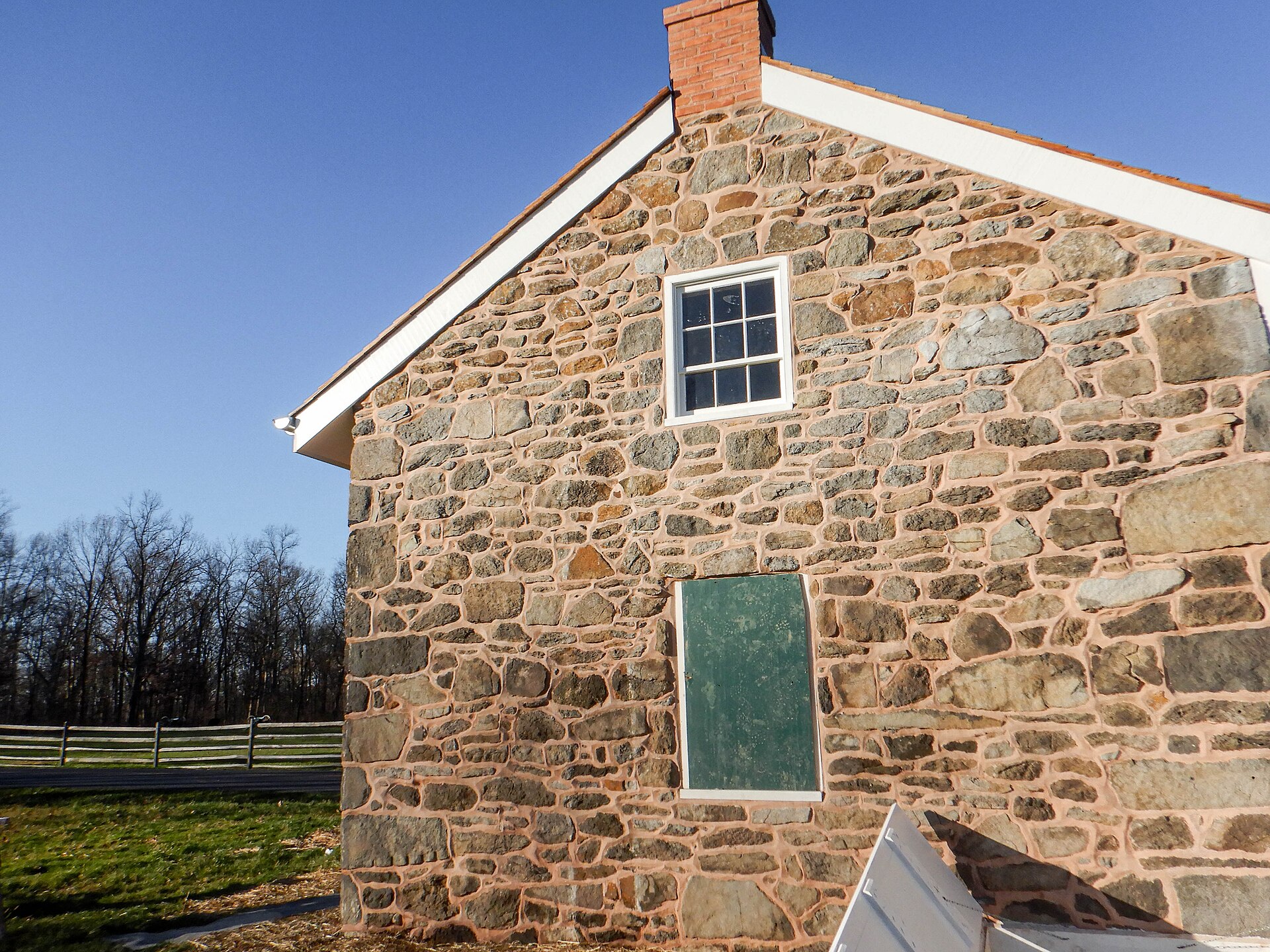
Halton Hills, about 63,000 people, is really two towns and their countryside — Georgetown and Acton, plus escarpment hamlets like Glen Williams and Limehouse — with the Niagara Escarpment running through the northern half. That geography sets up the local interlock market: century homes on narrow lots in the old cores, mid-century bungalow belts, and slope-and-stone properties along the escarpment face where a driveway is as much a wall-and-stairs project as a pad. Quote with your lot in mind, because the same crew will price those three jobs very differently.
Permits and bylaw rules
Three Town pages cover most interlock work. Patios and walkways at grade on your own property are not on the Town's list of [building permit](https://www.haltonhills.ca/Building-Permits) projects — decks, large sheds and attached structures are — so a typical driveway or patio swap needs no building permit. If the job changes the land itself, the [Site Alteration Permit](https://www.haltonhills.ca/Site-Alteration-Permit-Info) under By-law 2025-0009 applies to placing or removing fill, changing the slope or grade of land, and hauling soil within Town boundaries — exactly what happens when a sloped lot is re-graded for a new drive; Development Engineering reviews those applications to protect drainage, wetlands and the escarpment. And if the project cannot fit its bins and materials on private property, a [Road Occupancy Permit](https://www.haltonhills.ca/Road-Occupancy-Permit-Info) is required to use the road allowance — worth noting on narrow old-town lots where there is no room to stage. That permit's FAQ also flags a winter wrinkle: overnight permits are not issued during the winter parking prohibition period from mid-November to mid-April.
Lots, soil and climate
Below the escarpment, Halton Hills sits on the silty-clay soils typical of the Halton till plain — soil that holds water, goes soft in a wet spring, and hands frost heave straight through any thin base. A full excavated granular base is not optional here; it is the difference between a patio that survives five winters and one that dips by the second. On and near the escarpment, soils shallow out and rock enters the picture, which can add excavation time and make retaining walls the structurally sensible way to hold a slope. Mature tree cover on escarpment-adjacent lots also constrains where material and equipment can travel. Winters are standard southern-Ontario cold with regular freeze-thaw cycles, and the escarpment's weather can run a few degrees apart from the valley floor — assume a slightly shorter, slightly less predictable season than lakeshore cities.
The season
Plan for a May-to-October core season, with clay lots easiest to excavate after the spring wet has dried — typically June onward. The busiest crews are booked by early summer, so quote in late winter or March for a spring slot. If your project needs material staged on the street, remember the winter restriction on overnight road-occupancy permits and schedule the build before mid-November or plan for on-lot staging only.
What drives the price and what to ask
Halton Hills quotes swing on the usual levers — excavation and haul-away, granular base depth, paver line and brand, steps — plus three local ones: slope (retaining walls and stairs on escarpment-adjacent lots are often the biggest line item), access (narrow old-core lots with no staging room add labour and permits), and grade-change approvals if the lot needs re-grading under the site alteration by-law.
Ask each interlock contractor:
- Do you excavate to a compacted granular base rather than paving over the old surface, and what base depth in millimetres is in the quote for a driveway versus a patio?
- If the lot needs re-grading or fill moved, will the work trigger a Site Alteration Permit, and who prepares that application?
- Where will bins and material sit, and do you need a Road Occupancy Permit if the job cannot stage on my lot?
- How do you build over clay so frost heave does not telegraph through the surface, and how do you handle any rock you hit near the escarpment?
- Do you provide design drawings or a 3D preview, and which paver brands (Techo-Bloc, Permacon, Unilock, Barkman) can you supply?
- What does the written workmanship warranty cover, for how many years, and is it transferable if I sell?
- Are your crews your own, with WSIB coverage and liability insurance?
- Do you offer financing, and can you re-level or repair existing interlock and advise on cleaning and sealing after winters of road salt?