


Interlock driveways and patios in Kingston
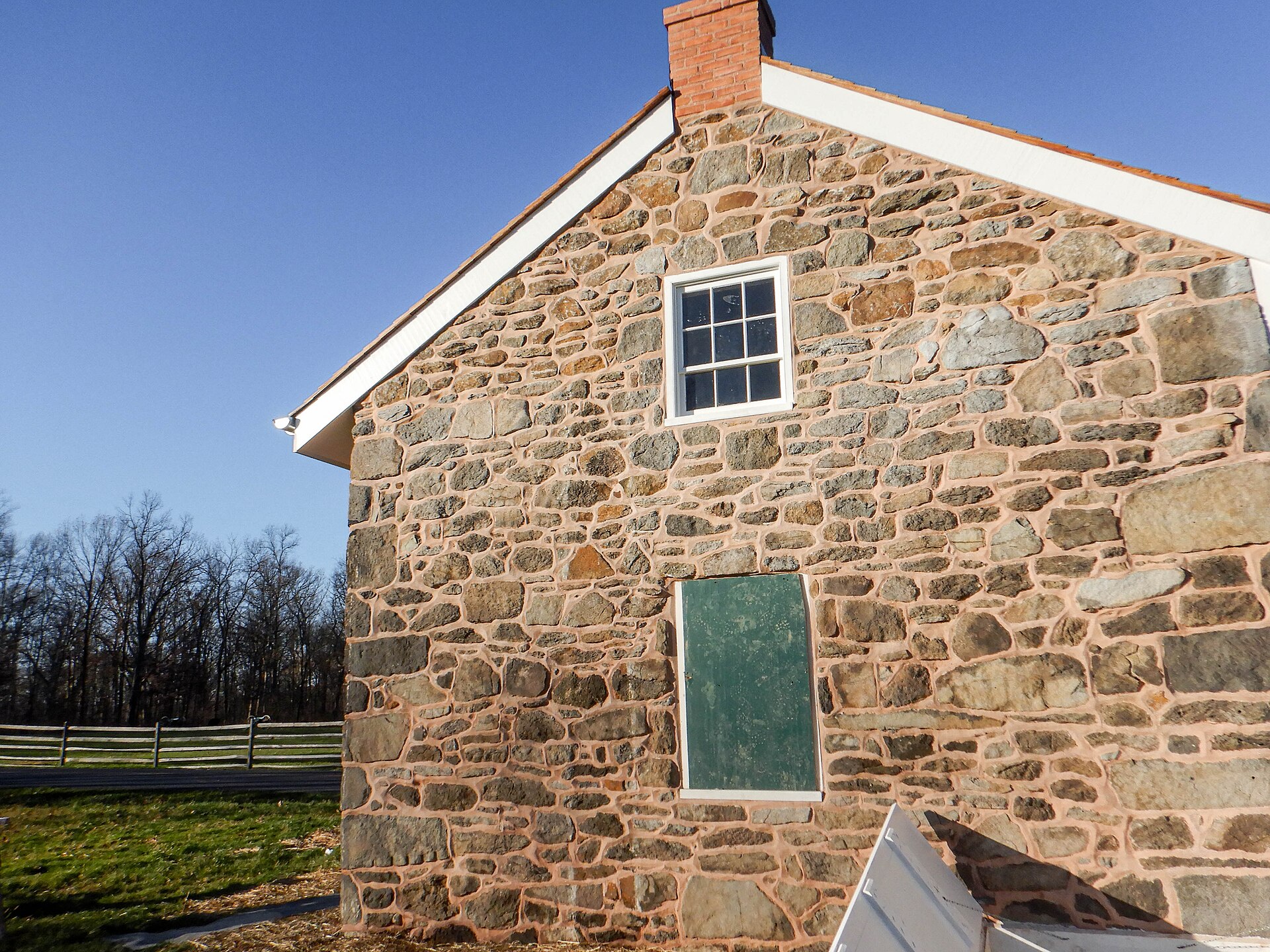
Kingston, known as the "Limestone City," has a population of approximately 132,485 at the junction of Lake Ontario and the St. Lawrence River. Its residential architecture spans distinct eras. The historic core—including Downtown Kingston, Sydenham Ward, and Barriefield—holds 19th-century limestone and brick homes with narrow shared lanes and tight setbacks. Mid-century areas like Calvin Park and Polson Park feature bungalows on wider lots with single-car driveways ripe for widening. In Cataraqui Woods, Bayridge, and Kingston West, modern subdivisions offer double driveways and spacious backyards, while rural lots in former Kingston and Pittsburgh Townships feature long laneways crossing roadside ditches. These conditions make geology, heritage rules, and municipal permit requirements essential when planning an interlock project.
Permits and bylaw rules
Work on the municipal boulevard is governed by the City of Kingston's [Right-of-Way Permits page](https://www.cityofkingston.ca/applications-licences-and-permits/right-of-way-permits). A Driveway/Entranceway Permit through the City's online DASH portal is required to install a new entrance or alter an apron within the municipal road allowance. Replacing an existing driveway with the same layout and dimensions requires no permit. Widened driveways must comply with the Zoning By-law, connect to an on-property parking space, and sit at least 7.62 metres from intersections; parking within the municipal right-of-way is prohibited.
Rural properties with ditches require entrance culverts conforming to OPSD standards (corrugated steel or PVC), placed at least 4.57 metres from street cross-culverts. If road or curb cutting is needed, a Cut Permit from Corridor Control is required. In designated heritage districts like Barriefield or Old Sydenham, street-visible exterior work requires a Heritage Permit under the Ontario Heritage Act.
The City's [building permits page](https://www.cityofkingston.ca/building-and-renovating/building-permits) doesn't list at-grade patios or walkways. The City says any work in a heritage district or on a heritage building requires a building permit. Retaining walls exceeding 1.0 metre require engineering review and a building permit, and waterfront or ravine lots may require review by the Cataraqui Region Conservation Authority.
Lots, soil and climate
[Limestone bedrock can sit close to the surface](https://getinvolved.cityofkingston.ca/forest-management-strategy/news_feed/what-we-learned-community-workshops) in Kingston. While solid rock prevents settlement, excavating to base depth frequently requires pneumatic rock breakers or hydraulic hoe-rams, increasing equipment and disposal costs. Impermeable bedrock must be graded away from the home or fitted with drainage channels so trapped water does not cause basement dampness or freeze-thaw heaving. In clay pockets, such as parts of Pittsburgh Township, geotextile fabric and deep aggregate are required to control heave.
Lake Ontario and the St. Lawrence River bring damp winds, freezing rain, and sharp freeze-thaw cycles. Driveway bases require at least 300 mm of compacted Granular A (or clean anchoring to solid bedrock), while patios require 150 to 200 mm. Durable pavers and quality polymeric sand are essential to prevent joint erosion during wet springs.
The season
Kingston's interlock season runs from May through late October. Ground frost lingers longer here than in western Ontario, so heavy excavation should wait until spring soils thaw and dry. The large student population at Queen's University and St. Lawrence College creates a peak booking window between May and August during rental lease turnovers. Quote in late winter to secure summer slots. Work should wrap up before freezing temperatures arrive in November, as polymeric sand requires temperatures above freezing to cure.
What drives the price and what to ask
Costs in Kingston depend heavily on bedrock depth. Mechanical rock breaking and rock haulage add significant labour and equipment costs. On older downtown lots, tight access means manual excavation and wheelbarrow cartage. Other cost drivers include DASH permits, retaining walls on sloped parcels, and the paver line you choose.
Ask each interlock contractor:
- How do you handle shallow limestone bedrock during excavation, and is rock breaking in the base quote?
- What compacted base depth in millimetres do you specify for driveways versus patios over rock or clay?
- How will you ensure water drains away from the foundation if bedrock slopes toward the house?
- Will you submit the entrance permit application through the City of Kingston DASH portal?
- If my home is in a heritage district or near a watercourse, will you handle Heritage or Conservation Authority approvals?
- Which paver products do you supply, what do their warranties cover, and can I see installed samples?
- At what height do retaining walls in your design require an engineered building permit?
- What does your written workmanship warranty cover, and how many years does it last?
- Are your crews WSIB-insured with commercial general liability coverage?
- Do you offer financing, and can you relevel or clean and seal existing interlock?